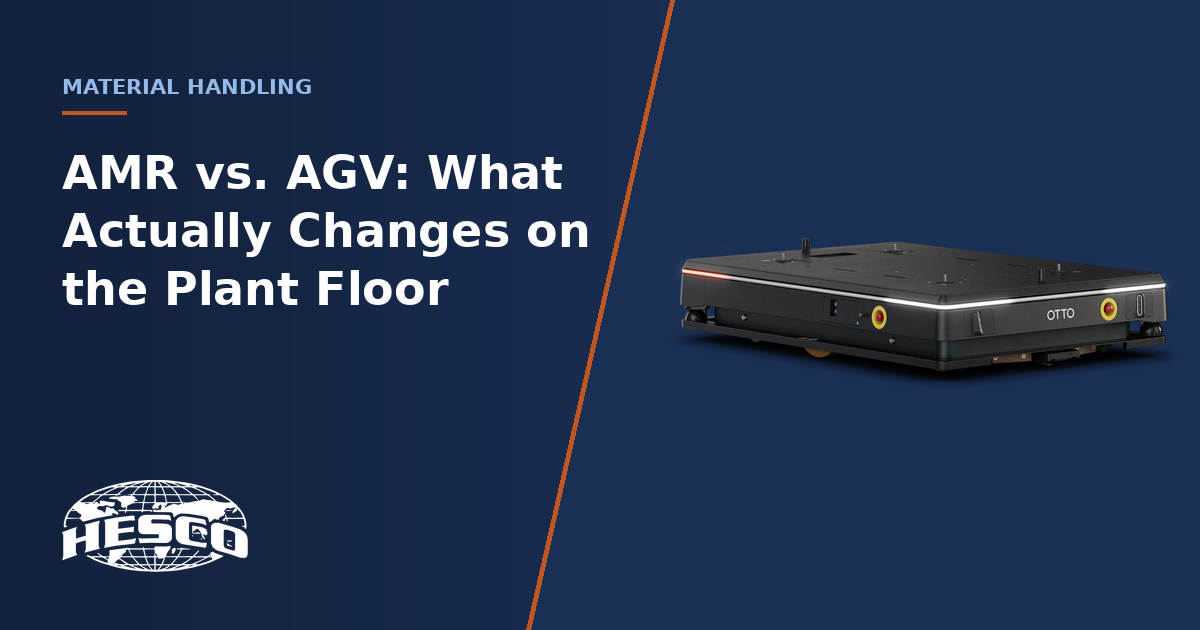
Two plants buy the same AMRs for the same payload. One is a 45-year-old facility running three shifts. The other is a building that hasn't been poured yet. Those are not the same project, and treating them the same is how AMR deployments go sideways.
At HESCO we help customers scope material handling automation as part of a broader automation strategy, and this distinction shapes almost everything downstream: fleet sizing, layout, charging infrastructure, and above all the sequence in which anything gets turned on.
OTTO's own leadership has put the split plainly — the vast majority of AMR projects are brownfield, where a facility has been online for decades and automation arrives as continuous improvement. Greenfield, by contrast, is a blank page.
Brownfield: working inside constraints you didn't choose
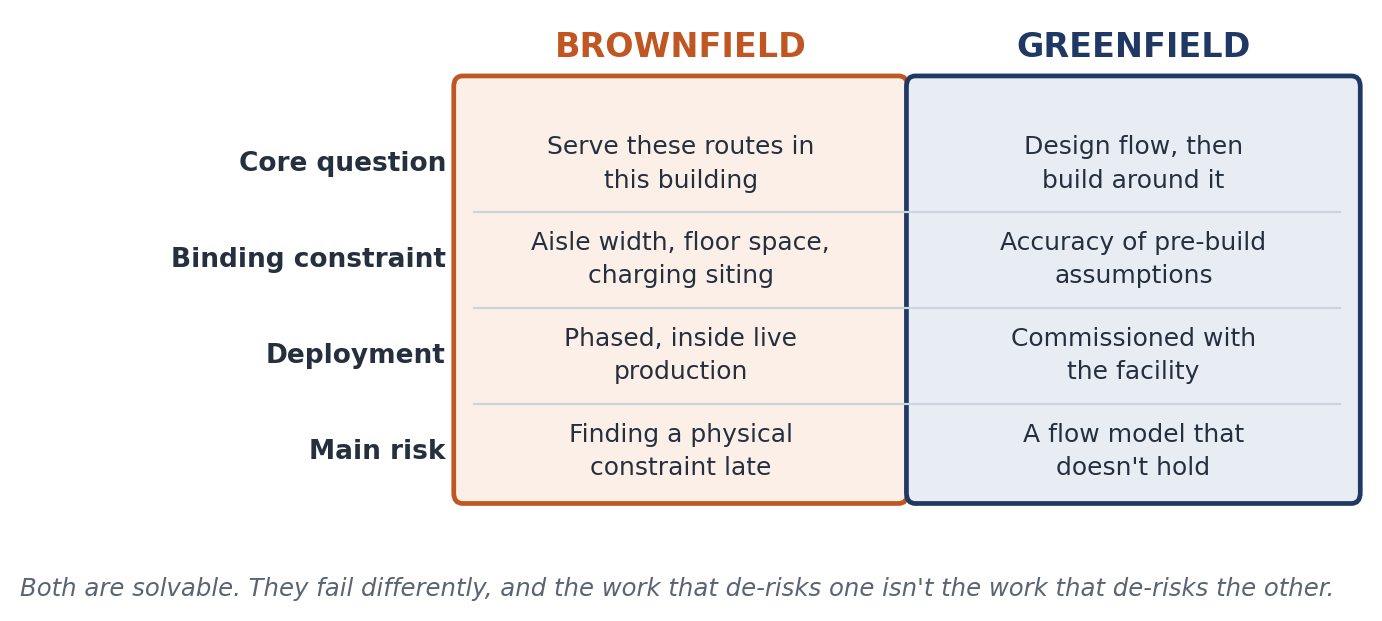
The question is narrow and concrete: how do we commission a fleet to serve delivery routes A, B, C and D, in a building that already exists and can't stop running? The constraints cluster into three areas, and only one is about the robot.
Space that was never allocated to robots
Brownfield facilities are characterized by narrow aisles and limited floor space. Those aisles may not support one-way or two-way AMR traffic, and — the part that gets overlooked — the building may have nowhere to put parking and charging infrastructure for a fleet of any size.
That problem is real enough that OTTO built software features for it. Parking space optimization lets AMRs park at locations other than designated spaces, which OTTO states can decrease dedicated AMR parking area by up to 50% while cutting travel time.
Existing traffic you have to coexist with
Forklifts, pedestrians, staged material, and in many cases legacy AGVs are already using the space. Coexistence is a design requirement — which is where VDA5050 interoperability matters if guided vehicles stay in service on some routes.
A production schedule that doesn't pause
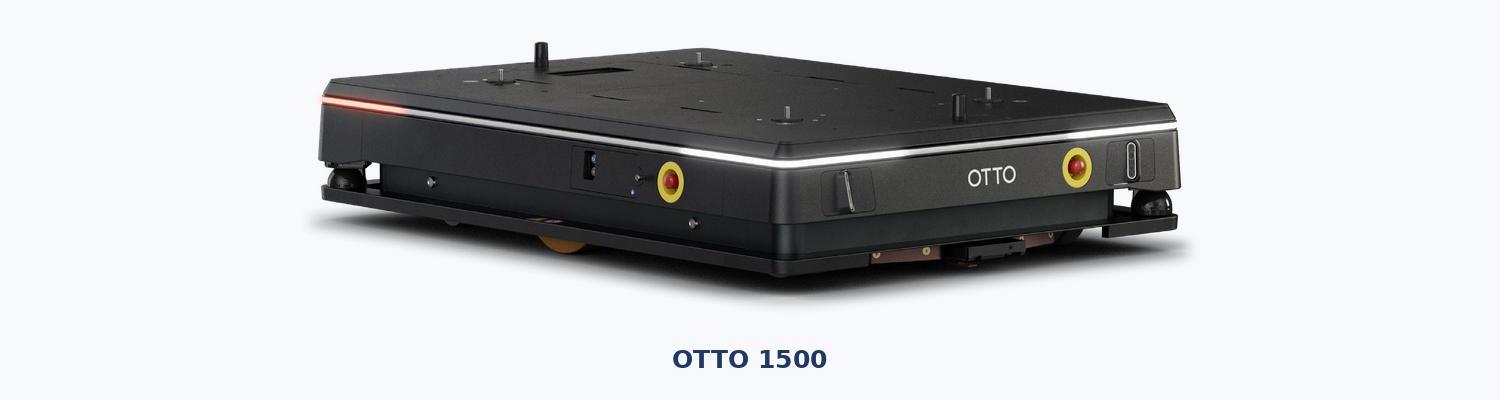
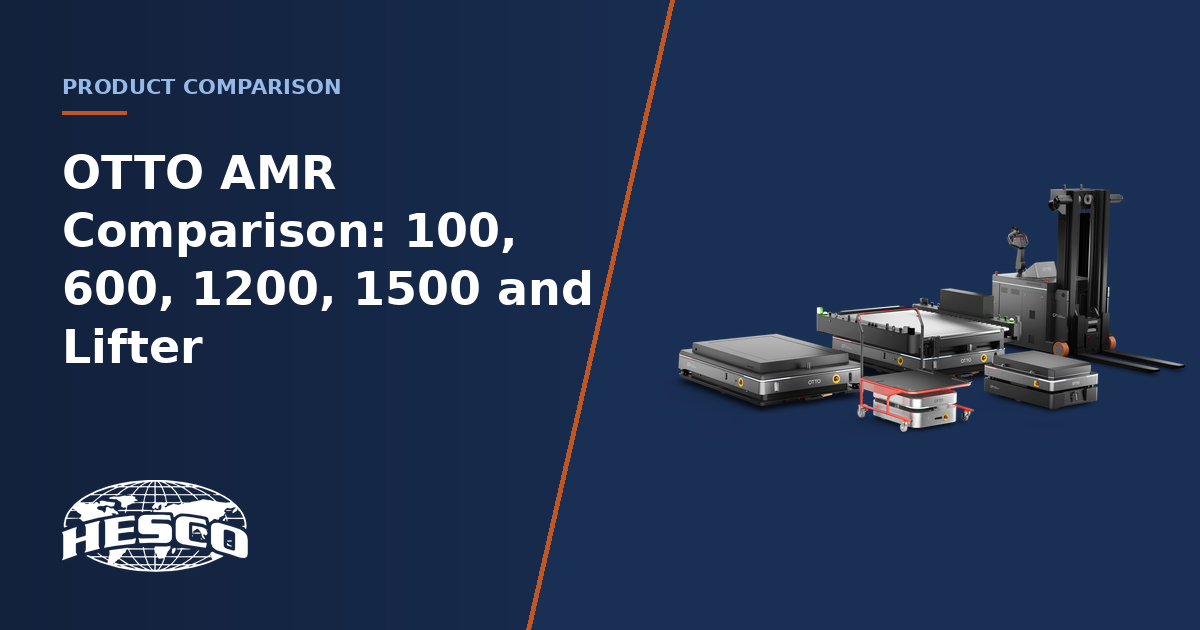
This is the defining brownfield constraint. You cannot take the plant down to commission robots, so the deployment has to be phased — and the phasing plan becomes part of the engineering, not just project management. It's achievable at real scale: in one published automotive case, an OEM replaced its AGV system with more than 160 OTTO 1500 AMRs across multiple phases with no production disruption.
Greenfield: designing the building around the fleet
Greenfield inverts the problem. Instead of fitting robots into a layout, you shape the layout around how material should move — described by OTTO's leadership as an opportunity to rewrite the playbook for how a facility is organized.
The scale that becomes possible is different. In a greenfield project OTTO has discussed publicly, the site was a one-million-square-foot facility covering production and warehousing, with 300 pickup and drop-off locations, where the fleet would complete around 5,000 deliveries and cover more than 1,000 miles per day. Three hundred P&D points is not a layout you retrofit — it's one you design when the material flow model comes before the concrete.
The tradeoff is that greenfield front-loads the risk. Brownfield gives you a real building to walk and measure. Greenfield gives you a drawing, and every assumption in it — aisle widths, P&D placement, traffic patterns, charging locations — gets committed before anyone can verify it physically.
Why simulation carries more weight in greenfield
That front-loaded risk is why greenfield projects lean on simulation. With no facility to test in, the model is the only place assumptions get challenged before they're poured in.
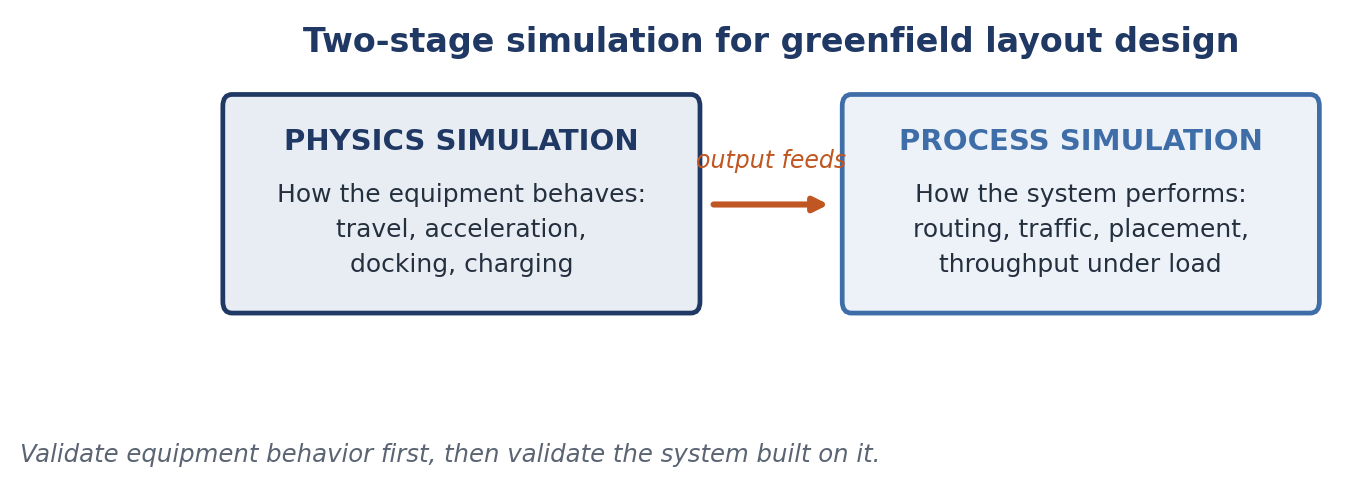
OTTO has described splitting this into two layers, with the physics model feeding the process model. The physics layer establishes how equipment behaves — travel, acceleration, docking, charging. The process layer tests the system: routing, traffic interactions, location placement, throughput under load. That structure will look familiar to anyone who has done virtual commissioning.
Brownfield benefits from simulation too, just differently. There the model is less about discovering the layout and more about proving a phasing plan works — confirming partial fleets on partial routes hit throughput while the rest of the plant keeps running.
These aren't always separate projects. One large deployment OTTO carried out with integration partner PULSE spanned both a brownfield and a greenfield facility totaling over 1.7 million square feet, with the fleet covering more than 1,100 miles and executing over 5,200 missions per day.
The bottom line
Brownfield is the common case, and its difficulty is physical: fit the fleet into space that wasn't designed for it, without stopping production. Greenfield is rarer and its difficulty is analytical: commit to a material flow model before you can test it against a real building. Both are solvable. They fail differently, and the work that de-risks one isn't the work that de-risks the other.
Scoping an AMR deployment in either direction? The HESCO team can help you work through layout constraints, fleet sizing, phasing and simulation, and how it ties into your existing controls architecture. Get in touch at hesconet.com/contact-us.